How to Focus When Reading the Bible: 7 Proven Tips
Struggling with distractions? Learn how to focus when reading the Bible with 7 proven tips for deeper concentration and a more meaningful study session.
Author: Ed Strachar • Published on May 16, 2025
Share on Socials
Testing comprehension is a complex challenge with no universally effective method. Education researchers agree that all exam types have flaws.
The most common method is asking students to read a few paragraphs and pick a multiple-choice answer. This approach often fails to measure true understanding and recall.
This method is not only unreflective of real-world reading demands but also fails to assess deeper cognitive abilities.
Multiple-choice exams may be efficient to grade, but they do not evaluate the ability to recall and apply information.
By providing possible answers, these tests limit students’ capacity to think independently.
In life, reading demands span hundreds of pages, yet schools often test comprehension using a single paragraph and a few questions.
Most people remember less than 10% of what they read in a book. Schools rely on simplified reading assessments because more challenging formats like essays and open-ended questions would result in higher failure rates.
Yet, this simplification does a disservice to learners preparing for complex, real-life reading situations.
The author has taught at institutions like the US Military Academy at West Point and global corporations such as Hewlett Packard and Xerox.
Across all environments, a consistent issue emerged: readers lost focus within minutes. Some spent ten minutes on a single page and retained nothing.
At the US Air Force Academy, the idea was proposed to test students with a full 400-page book before and after using a new reading method.
Initially dismissed, the proposal was eventually adopted using techniques from the Reading Genius program. The results were significant—students read 5.5 times faster with notably improved comprehension. Ed Strachar Teaching at the U.S. Air Force Academy. Live Behind-the-Scenes Shots Below!
Standardized methods have conditioned people to use only a small portion of their cognitive reading ability.
With tools provided by a reading acceleration program, students and professionals can activate unused brain capacity, resulting in dramatic improvements in speed and understanding.
Q: Why do standardized tests fall short?
A: They fail to measure true comprehension and real-life reading application.
Q: What is a reading acceleration program?
A: It’s a structured method that boosts reading speed and comprehension by retraining cognitive habits.
Q: Who benefits from these programs?
A: Students, academic professionals, and anyone aiming to enhance their learning efficiency.
Q: Are the results backed by data?
A: Yes. At the Air Force Academy, students improved reading speed by 5.5x with better comprehension.
Q: Is it hard to implement?
A: No. With guided strategies, users quickly adapt and benefit.
Standardized testing is outdated and unreflective of real-world reading demands. A reading acceleration program unlocks the full potential of the brain, enabling faster and deeper comprehension. Professionals and students alike stand to benefit immensely from embracing this transformative method.
Explore more on how cognitive strategies reshape learning by checking research from Harvard’s Education Initiative and techniques recognized by The Learning Agency.
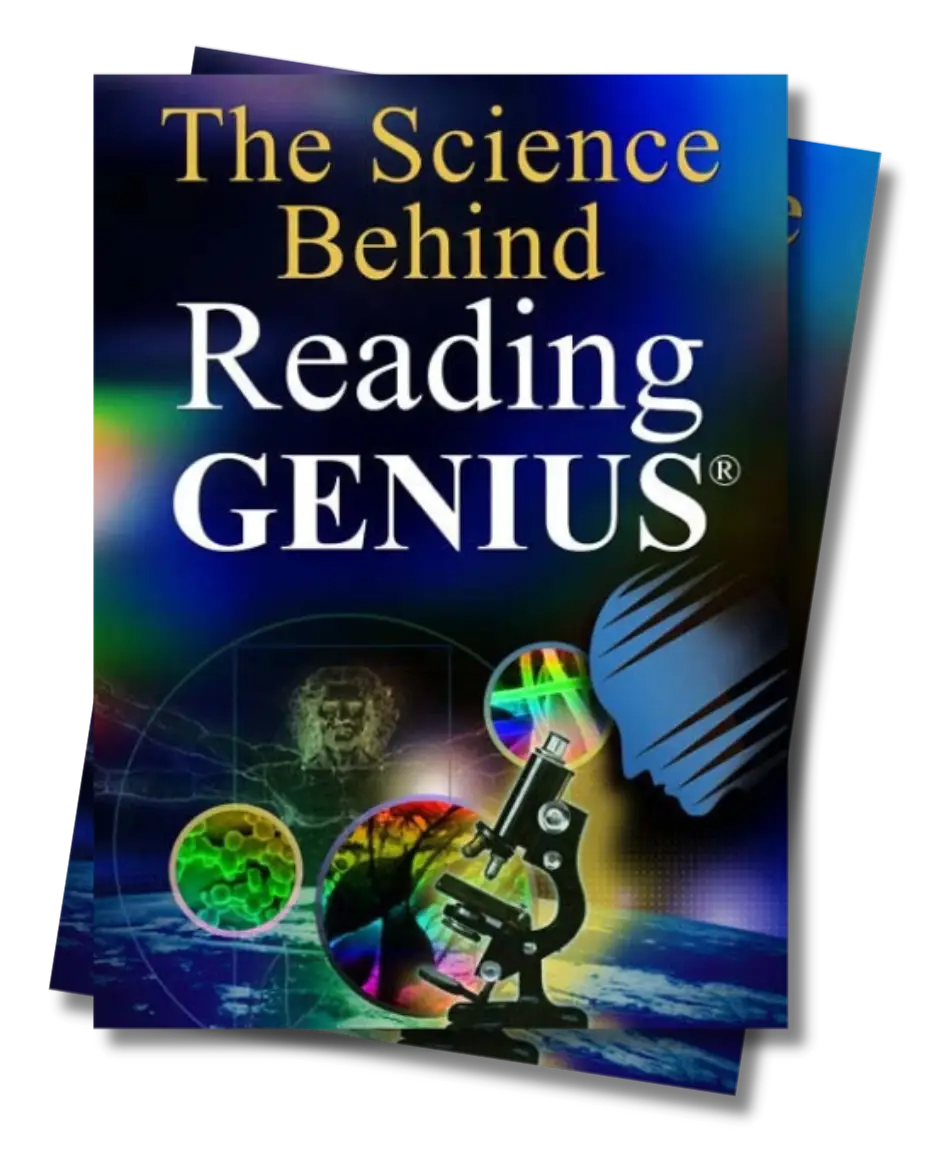
Ready to break free from outdated testing? Discover your reading potential with the Reading Genius® program today.
Discover how Ed Strachar’s breakthrough method helps you read faster, focus deeper, and retain more — even if you’ve struggled for years.
Recommended Reads

Struggling with distractions? Learn how to focus when reading the Bible with 7 proven tips for deeper concentration and a more meaningful study session.

Struggling with distractions? Learn how to focus on reading with noise using practical tips for better concentration and a more enjoyable reading experience.

Learn how to focus while reading a textbook with 7 practical strategies to improve concentration, beat distractions, and get more from every study session.