Who is Ed

The story behind Reading Genius®

  • Ed Strachar smiling with a large group of cheering students
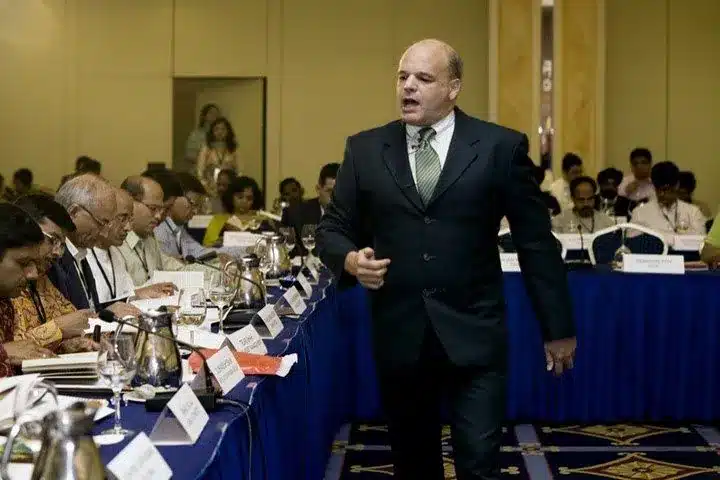
  • Ed Strachar leading a seminar for a room of professionals
  • Reading Genius® students in New Zealand
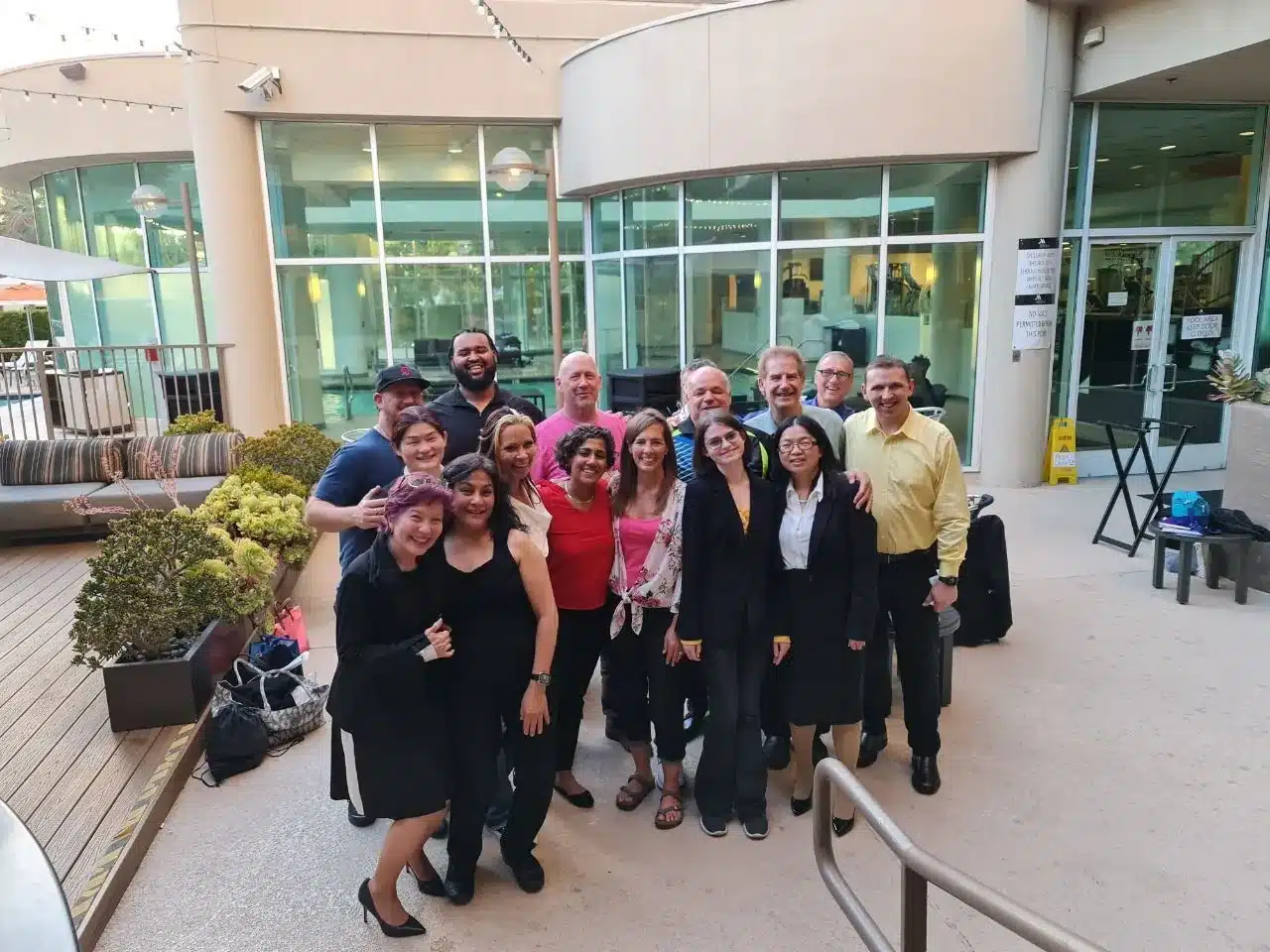
  • Ed Strachar with a group of workshop participants
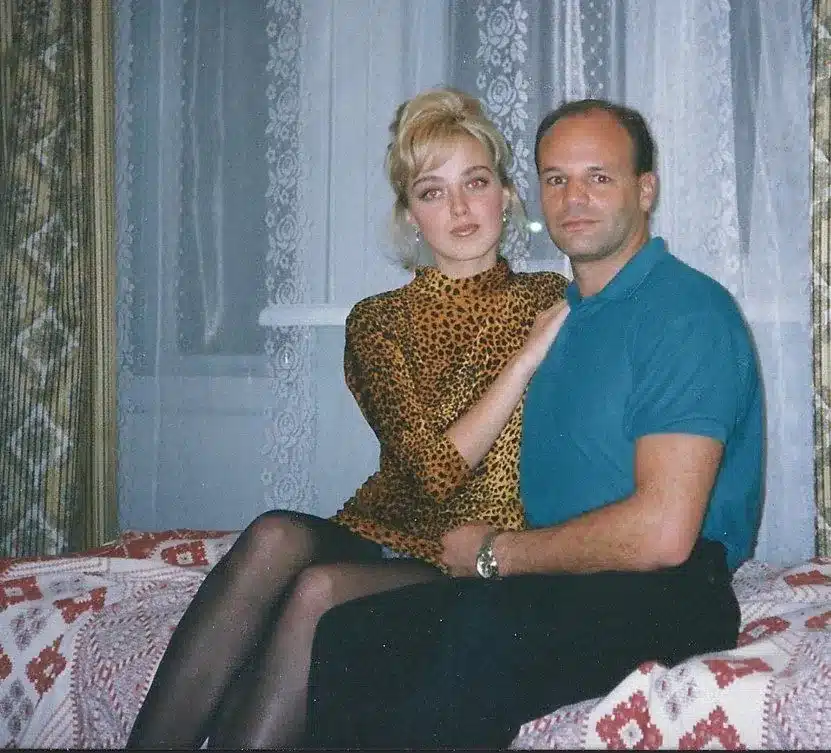
  • Archive photo of a young Ed Strachar abroad
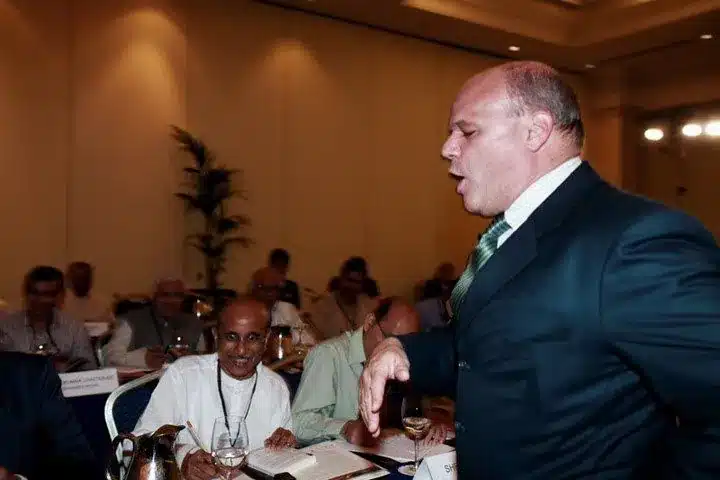
  • Ed Strachar speaking with seminar participants
  • Reading Genius® students in the USA
  • Ed Strachar outdoors in a white hat
  • Reading Genius® students in New Zealand
  • Archive photo of Ed Strachar in the early 1990s
  • Reading Genius® students in Australia

In Silicon Valley, I was working as an electronics engineer when my neighbor, eighth grade teacher John Gibson, stopped by one afternoon.

John was frustrated. His students were given an entire month to read books of only 90 to 100 pages, and many weren’t finishing them.

I laughed.

Because I understood those kids.

I’d studied electrical engineering and mathematics partly because they required less reading. Reading exhausted my eyes. My mind wandered. I’d reach the bottom of a page and realize I’d forgotten the top.

But something interesting had happened since then.
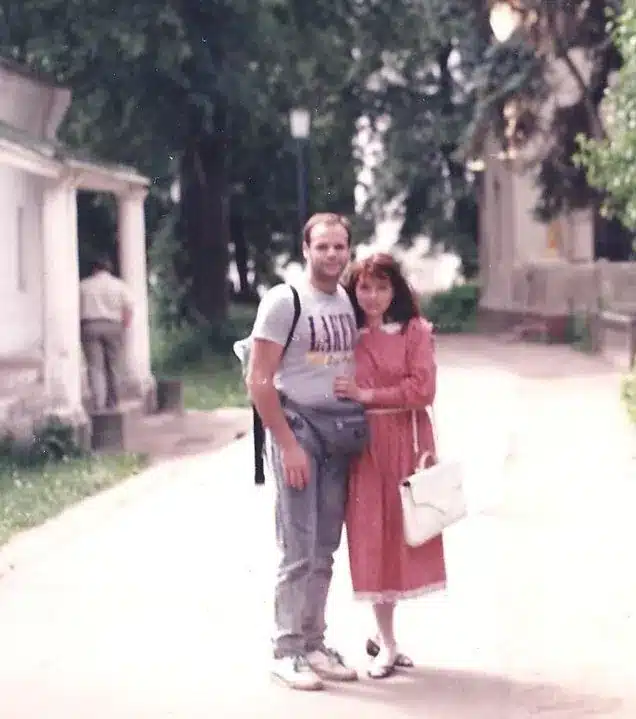
Archive photo of a young Ed Strachar abroad
Archive photo of Ed Strachar in the early 1990s

I’d recently returned from the former Soviet Union, where I’d studied chess with grandmasters. I was an avid tennis player studying mental training, and I’d also studied Neuro Linguistic Programming directly with Richard Bandler.

  • Chess.
  • Tennis.
  • Mental training.
  • NLP.

They all taught me something:

Human performance could be trained very differently than we were taught in school.

I arrived with a boombox, and almost no conventional reading instruction.

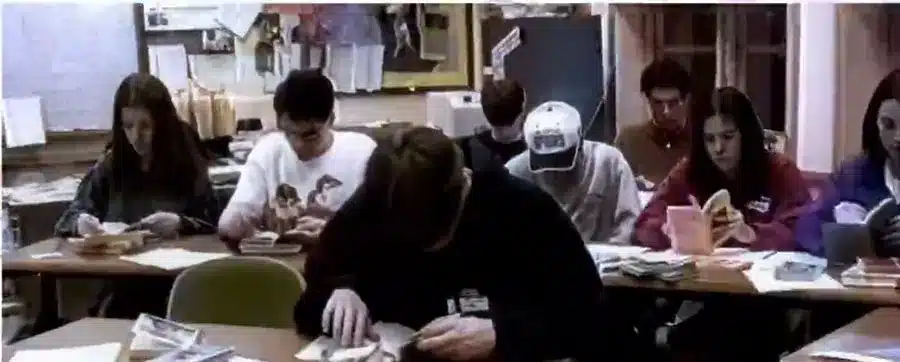
We used music. Movement. Visualization. Left and right handed exercises. High speed recall. Mental rehearsal. Students even performed jumping jacks while imagining themselves consuming entire pages.

We experimented with focus, accelerated learning, imagination, emotion, dream intelligence, and connecting deeply with the author and the book.

And the classroom came alive.

Other students were literally looking through the windows wondering why this class was having so much fun.

Then came the surprise.

Students who had struggled academically were suddenly participating alongside the strongest students. Kids were finishing age appropriate books extraordinarily quickly, and standing up to explain what they had read.

That experiment became Reading Genius®.

Reading Genius® students in New Zealand
Reading Genius® students in the USA
Reading Genius® students in Australia

Adults followed. Then seminars. Then invitations from across America and overseas, including programs involving the U.S. Air Force Academy, U.S. Naval Postgraduate School, Hewlett Packard, Xerox, and National Semiconductor, along with programs in Australia, New Zealand, and England.

Eventually Reading Genius became a home study program on audio and video cassette.

Ed Strachar leading a seminar for a room of professionals
Ed Strachar speaking with seminar participants

But Reading Genius began much more simply:

One teacher. One classroom. And one question:

What if people are capable of far more than they’ve ever been taught to believe?

Years later, I demonstrated Reading Genius at an elite private school.

The principal watched personally. His own son, who had experienced reading difficulties, was among the eighth grade students participating.

We tested the students before and after.

By the end, students were completing unfamiliar, age appropriate books in roughly 5 to 15 minutes, while our testing showed dramatic increases in reading speed and improved comprehension.

I expected the principal to be thrilled.

Instead, he told me:

“Ed, we can’t bring this into our school.”

I was stunned.

“Why?”

His answer taught me something I’ll never forget.

He explained that his budget allowed roughly ten books per student, per year.

“With your system, they’ll finish those in the first month. What do I give them in month two?”

Then came the institutional problem.

His reading teachers had established methods. Reading Genius involved music, movement, mental training, and unconventional exercises.

Changing the system would mean changing people, budgets, and assumptions.

And he wasn’t prepared to do that.

That conversation changed my direction.

Ed Strachar with a group of workshop participants
Ed Strachar outdoors in a white hat

I stopped asking institutions for permission.

Instead, I began bringing Reading Genius directly to people who wanted to discover how much more they could learn.